Source Universal RF Remote Control Duplicator for Doors, Gates, and Garage
Compare 30 universal rf remote control duplicator options from verified suppliers. These devices support 315MHz and 433MHz frequencies with fixed code transmission for automatic doors, gates, and garage systems; compare the available evidence and request quotations based on your requirements.
Key considerations
Products List


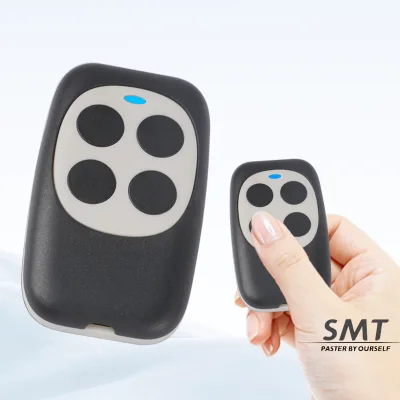
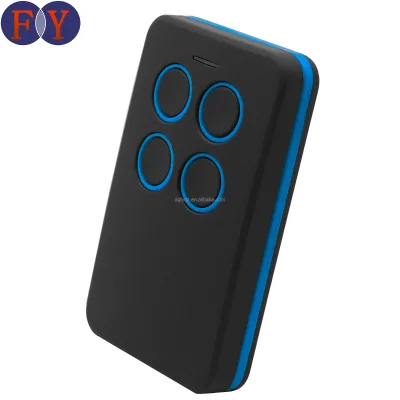


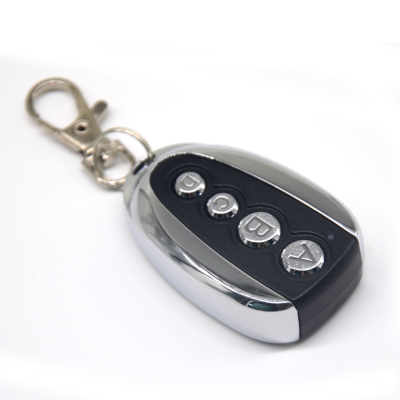


Comprehensive Sourcing Guide
Universal RF Remote Control Duplicator Sourcing Guide
Sourcing universal RF remote controls requires careful attention to frequency compatibility and modulation types, as these devices are not truly universal across all brands. Buyers must verify that the target receiver operates on the same frequency band, typically 315MHz or 433MHz, which are the most common standards for industrial and residential applications. The observed market data indicates a wide range of models, from simple fixed-code buttons to more complex programmable units, each serving distinct integration needs. Procurement teams should prioritize suppliers who provide clear technical documentation regarding signal transmission methods, as mismatched modulation can lead to immediate functional failure in automated systems.
The physical form factor and power requirements are equally critical when selecting a duplicator for bulk deployment. Many observed listings feature compact designs with specific battery types, such as 23A or AAA, which impact long-term maintenance costs and logistical planning. Buyers should assess whether the remote’s operating voltage aligns with their existing infrastructure, noting that DC 12V is a prevalent standard in the observed product set. Additionally, the transmission distance, often cited between 50 and 100 meters in open areas, must be validated against the actual deployment environment to ensure reliable signal integrity without excessive interference or signal loss.
Product Scope and Observed Listing Signals
The current market for RF remote controls exhibits significant diversity in physical attributes and intended use cases. Observed listings highlight variations in button configurations, with options for two or four buttons, catering to different user interface requirements. Materials range from durable plastic housings to metal-framed designs, each offering distinct aesthetic and structural benefits. The weight of these devices is generally light, averaging around 28 grams, which facilitates easy handling and installation. Buyers should note that while some products are marketed as universal, their compatibility is strictly limited by the underlying radio frequency and coding protocol, necessitating precise matching with the receiving equipment.
Packaging and origin data provide additional context for supply chain planning. Products are frequently sourced from manufacturing hubs in Shenzhen and Fujian, China, reflecting the region’s dominance in electronics assembly. Packaging methods vary from individual plastic bags to bulk carton shipments, with some suppliers offering customized packaging solutions to meet specific branding or logistical needs. The observed price range is broad, spanning from low-cost single units to higher-priced specialized models, indicating that cost should not be the sole determinant of selection. Instead, buyers should evaluate the total cost of ownership, including compatibility, durability, and after-sales support, to ensure a successful procurement outcome.
Technical Specifications to Verify
Frequency and modulation are the most critical technical parameters to validate before placing an order. The observed data confirms that most units operate on 315MHz or 433MHz bands, but buyers must confirm the exact modulation method, as this is often listed as "Ask" or unspecified in initial listings. Incorrect modulation can render a remote completely non-functional, regardless of other specifications. Additionally, the code type, typically fixed code in many observed models, must be compatible with the receiver’s decoding mechanism. Buyers should request detailed technical sheets that explicitly state the modulation scheme and coding protocol to avoid costly integration errors during deployment.
Physical dimensions and environmental tolerance are also essential verification points. The observed product dimensions vary, with some models measuring 55x30x13.5mm and others being more compact. Buyers must ensure the remote fits within the designated housing or mounting area of their equipment. Furthermore, the operating temperature range, often specified as -20°C to +50°C, must be suitable for the intended deployment environment. For outdoor or industrial applications, verifying the ingress protection rating and material durability is crucial to prevent premature failure due to environmental stressors.
Compliance and Safety Documentation
Regulatory compliance is a non-negotiable aspect of sourcing electronic components, particularly those involving radio frequency transmission. The observed listings frequently mention certifications such as RoHS and CE, which indicate adherence to environmental and safety standards in key markets. Buyers must verify the validity of these certifications by requesting current test reports from accredited laboratories. It is important to note that some listings may contain ambiguous certification claims, such as "ISOCE," which is not a standard designation. Procurement teams should insist on clear, verifiable documentation to ensure that the products meet the legal requirements of the destination country.
Electrical safety and battery compliance are additional areas requiring careful review. Since these devices operate on low DC voltages, they generally pose minimal electrical hazard, but battery safety is paramount. Buyers should confirm that the included batteries, such as 23A or AAA types, meet international safety standards for leakage and performance. Additionally, the material composition of the remote housing should be verified to ensure it is free from hazardous substances, aligning with RoHS directives. Proper documentation in this area not only ensures legal compliance but also protects the buyer from potential liability issues related to product safety and environmental impact.
Cost Drivers and Commercial Terms
Pricing in the RF remote control market is influenced by several factors, including customization, volume, and technical complexity. The observed price range is wide, reflecting the diversity of products from basic fixed-code remotes to more advanced programmable units. Buyers should expect lower unit costs for high-volume orders, with MOQs ranging from 1 to 500 pieces. However, customization options, such as branded packaging or specific frequency configurations, may incur additional fees. It is advisable to request detailed quotations that break down costs for tooling, setup, and per-unit pricing to understand the true cost structure.
Lead times and payment terms are critical commercial considerations that impact supply chain reliability. The observed delivery times can extend up to 25 days, depending on the order volume and customization requirements. Buyers should negotiate clear lead time commitments and include penalties for delays in their contracts to mitigate supply chain risks. Payment terms should be structured to balance risk, with options such as partial upfront payment and balance upon shipment being common. Understanding these commercial terms helps in planning inventory levels and cash flow, ensuring that procurement activities align with production schedules and budget constraints.
Supplier Qualification and Quality Control
Supplier qualification is essential to ensure consistent product quality and reliable service. Buyers should conduct thorough due diligence on potential suppliers, verifying their manufacturing capabilities, quality management systems, and past performance. The observed listings indicate that many suppliers are located in established electronics manufacturing regions, which can be a positive indicator of expertise. However, buyers should not rely solely on location; instead, they should request samples for rigorous testing before committing to large orders. Evaluating the supplier’s responsiveness and technical support capabilities is also crucial, as these factors can significantly impact the procurement experience.
Quality control measures should be clearly defined and enforced throughout the production process. Buyers should specify acceptance criteria for key attributes such as transmission distance, button durability, and battery life. Implementing pre-shipment inspections can help identify defects early, reducing the risk of receiving non-conforming goods. Additionally, establishing a clear process for handling defects and returns is important for maintaining operational continuity. By prioritizing suppliers with robust quality control systems, buyers can minimize the risk of product failures and ensure that the RF remotes meet their performance expectations in real-world applications.
Long-Term Procurement Checks
Long-term success in sourcing RF remote controls depends on continuous monitoring of product performance and supplier reliability. Buyers should establish key performance indicators to track metrics such as defect rates, delivery timeliness, and customer feedback. Regularly reviewing these metrics allows for proactive identification of issues and facilitates data-driven decision-making. Additionally, maintaining open communication with suppliers enables the early detection of potential supply chain disruptions or product updates. By fostering a collaborative relationship, buyers can benefit from supplier insights and innovations that may improve product quality or reduce costs over time.
Adapting to technological changes and market trends is also vital for long-term procurement strategy. The RF remote control market is dynamic, with new frequencies, coding methods, and integration technologies emerging regularly. Buyers should stay informed about industry developments and assess the impact on their existing product portfolio. This may involve periodic reviews of compatibility with new receivers or exploring alternative solutions that offer better performance or cost efficiency. By remaining agile and responsive to change, buyers can ensure that their procurement strategy remains aligned with business objectives and market demands, securing a competitive advantage in the long run.
FAQs
What is the operating voltage for these remotes?
The operating voltage is DC 12V for the listed models. This specification ensures compatibility with standard low-voltage systems used in automatic doors and LED products, supporting stable performance across the observed product range.
Which modulation way do these devices use?
These devices utilize Ask modulation for signal transmission. This method supports reliable communication at frequencies of 315MHz or 433MHz, ensuring consistent operation within the specified ambient temperature range of -20 to 50 degrees Celsius.
Can I customize the frequency for my project?
Yes, customization is available for the operating frequency. Buyers can select from 315MHz, 433MHz, or request a customized frequency to meet specific application requirements for automatic doors or other compatible electronic systems.
What certifications do these products hold?
The products hold RoHS and CE certifications. These standards confirm compliance with environmental and safety regulations, ensuring the devices meet international requirements for electronic components used in various industrial and commercial applications.
How far can the signal transmit effectively?
The transmitting distance ranges from 50 to 100 meters in open areas. This range supports reliable control for automatic doors and other applications, provided the environment does not contain significant interference or physical obstructions.
What is the typical weight of the remote?
The weight varies by model, with observed values around 22.1g to 28.2g. This lightweight design facilitates easy handling and installation, making the devices suitable for portable use in various automatic door and lighting control scenarios.